
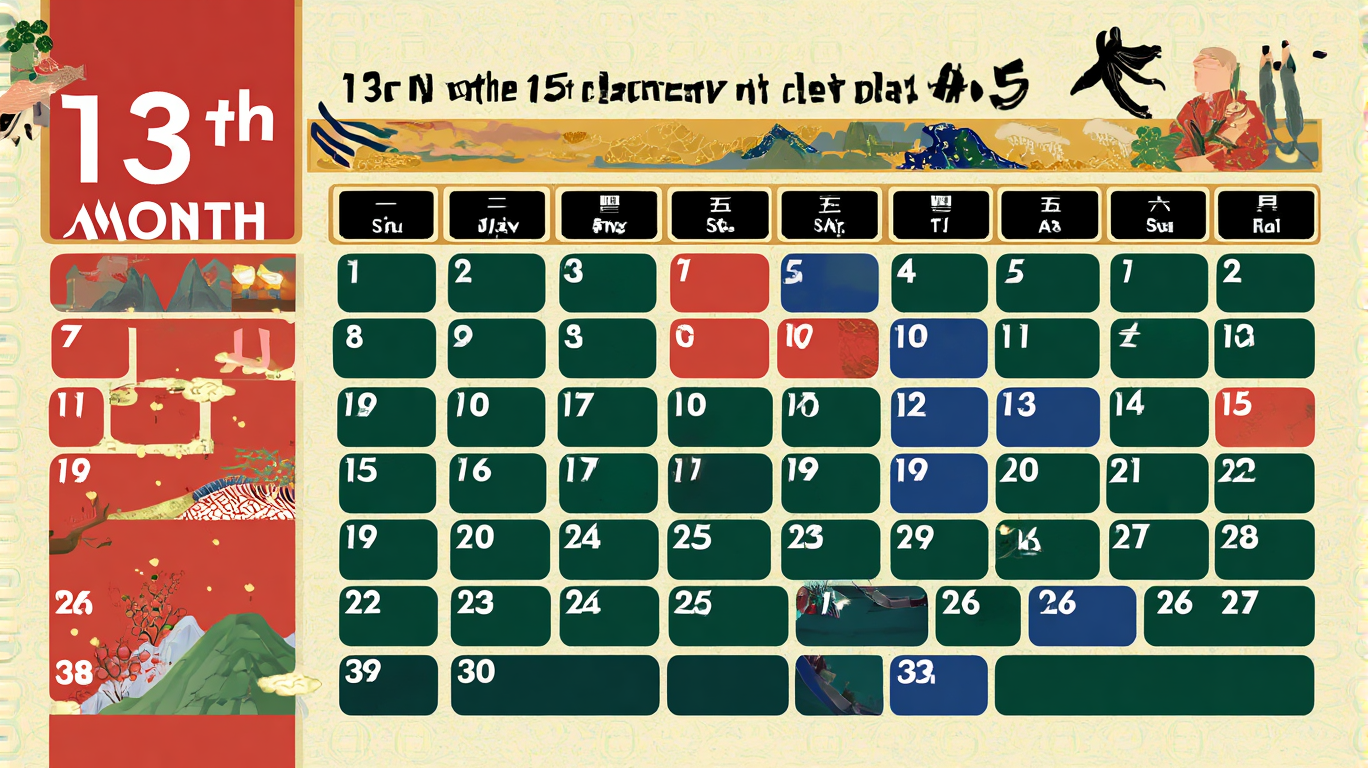
This exquisite, handcrafted ledger is a rare artifact housed in a thrift store, offering a vivid glimpse into a world where the Roman Empire endured indefinitely. Bound in weathered leather with gold-embossed initials, it features meticulously detailed astronomical charts that align with historical celestial events, suggesting a society deeply attuned to the cosmos.
A chronological account of pivotal moments in history, from the reign of emperors like Augustus to modern times, all framed within a narrative where the Roman Empire remains unbroken.
Entries include anecdotes, political shifts, cultural milestones, and scientific discoveries, all contextualized through a lens of continuity.
Astronomical Precision:
Accurate star charts and planetary alignments, possibly inspired by ancient Roman astronomy, which blended practicality with mysticism.
Notes on eclipses, solstices, and celestial events that might have influenced agricultural or religious practices.
Artistic Craftsmanship:
Intricate illustrations of ancient Roman architecture, mythological scenes, and symbolic motifs (e.g., laurel wreaths, laurel branches).
A mix of calligraphy and decorative borders, reflecting the era’s aesthetic.
Historical Context:
The ledger’s existence challenges conventional timelines, suggesting a world where Roman innovation and governance persisted through centuries of upheaval.
Includes marginalia or annotations from scholars or scribes, hinting at its use in education or preservation.
Why It Matters:
This calendar is more than a record—it’s a testament to resilience, blending history, astronomy, and artistry. Its survival in a thrift store underscores the enduring allure of stories where the past remains unbroken.
Note: While the Roman Empire did fall in 476 CE, this ledger’s fictional premise invites speculation about an alternate timeline. It’s a fascinating exercise in reimagining history!